

How economic substance and beneficial ownership obligations arise in offshore jurisdictions, and what Leo Trust handles for you in that process. Covering the Bahamas, Belize, the BVI, the Cayman Islands, the Marshall Islands and Panama.
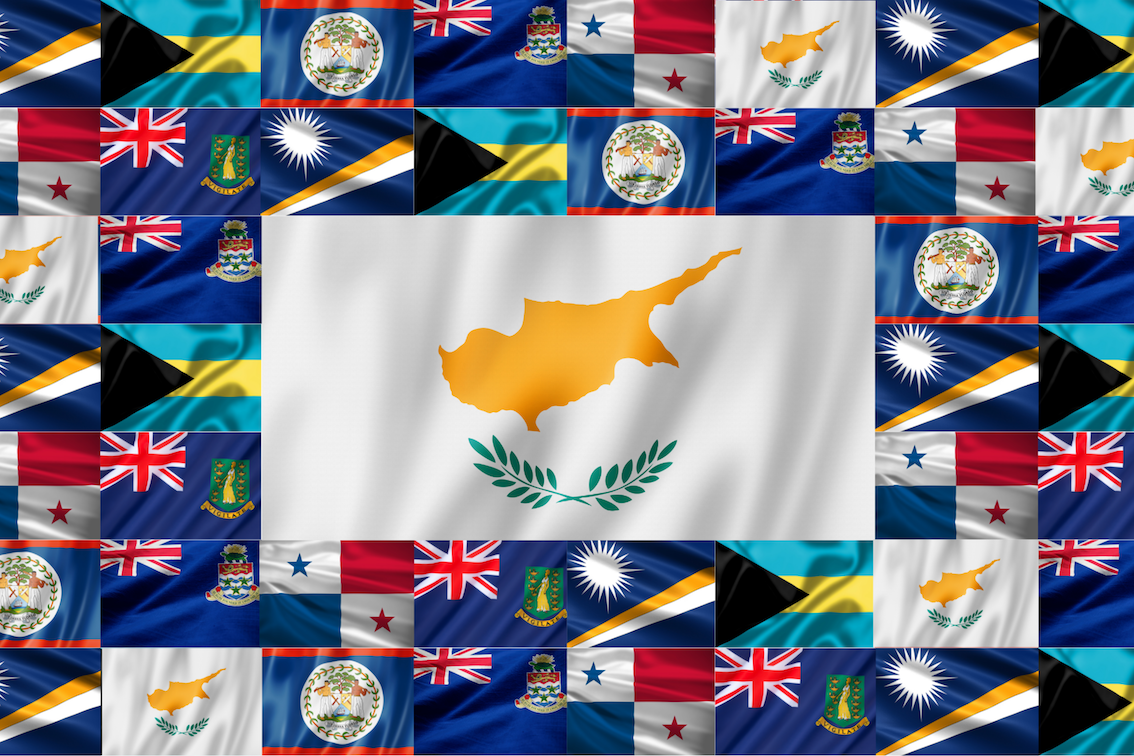
Offshore jurisdictions that levy no tax, or very little, came under sustained international pressure after the Panama Papers and Paradise Papers disclosures of 2016. The OECD, the EU through its directives, and the FATF each pressed for measures to curb the misuse of such jurisdictions. What followed in each jurisdiction is a chain of events that ends on the desk of the company owner — usually as a formal request for documents, with a deadline attached.
This page explains how that obligation comes into being and, more usefully, what we handle on your behalf once it does.
Local government, reacting to the OECD and EU directive reports and recommendations, analyses and concludes what legislation requires enhancement. Local legislation is then drafted, reviewed and approved. In parallel, a secure database for storing information and supporting documentation is created, tried and tested.
An announcement is made on the official local government website regarding the affected legislation and the resulting Act. The government makes known to the public what the Act entails, what is required, what action must be taken, and the deadline by which information is to be obtained.
Once the legislation is officially published, registered agents in the jurisdiction begin, in parallel, to create and prepare their own secure database for the information and supporting documentation that will be uploaded to it.
The registered agent sends us a list of the entities for which Leo Trust holds the responsibility of informing the institutional client, or the end customer, of their obligation. From that point the work is ours:
The registered agent then reviews the upload and passes it on to the official government database. Only designated persons have access to it. The agent carries a continuing duty to file and to keep the entity's economic substance and beneficial ownership details up to date. Both the registered agent and Leo Trust carry a duty to keep that information confidential and secure.
In practice this means the owner of the structure deals with one party rather than several, and is told what is needed and by when, rather than having to discover it.
Our general overview covers six jurisdictions:
We deliberately do not reproduce filing deadlines, form numbers or the detail of what each Act requires on this page. These change, and a page that states them will sooner or later state them wrongly.
The full overview is available as a download below, and it carries the date on which it was prepared. For the position as it stands today, check the official source for the jurisdiction concerned, or ask us — if we administer your structure, the obligation and its timing are something we track for you in any case.
This overview is aimed at providing a general overview and summary of the issue. It is non-binding and does not and should not be taken to constitute legal advice.

Discover the importance of succession planning for BVI entities and explore options to improve it in our expert article – contact us at corporate@leotrust.ch for more details and an in-person meeting.

It is time to raise the awareness of the UK’s registers that it has put into place and intends to introduce regarding beneficial ownerships, which refers to the person who ultimately owns or controls an asset such as a property or a company and may differ from the legal owner. The purpose of beneficial ownership registers is to prevent individuals from being able to hide assets and income on which they own tax.

